
Navigating the Uncertainty: A Deep Dive into TPWallet's Liquidity Shortage and Future Solutions
In the fast-paced world of cryptocurrency, having immediate access to liquidity is crucial. Users of TPWallet, a platform championed for its innovative features, are currently facing a significant challenge: insufficient trading liquidity. This situation not only hampers seamless transactions but also raises questions about the overall efficacy of digital wallets in a market that demands fluidity and speed. Today, we delve into the core aspects surrounding this liquidity issue, exploring the implications for digital identity, exchange procedures, real-time transaction analysis, convenient payment solutions, and security, culminating in a forward-thinking perspective on advanced technology implementations.
Digital identity has emerged as a foundational aspect of cryptocurrency transactions. With TPWallet, users are encouraged to create a secure and verified digital identity that fosters trust and enhances the exchange process. However, with limited liquidity, the verification and trustworthiness promised by digital identities become hindered. Transactions that should occur in real-time get delayed, rendering users frustrated and causing them to second-guess their choice of wallet.
The exchange procedures within the blockchain ecosystem need to be intuitive and efficient. Unfortunately, when trading liquidity is low, the operational flow of these exchanges breaks down. Users expect a straightforward tap-to-exchange mechanism, and the failure to deliver this experience puts any digital wallet, including TPWallet, at risk of losing user base and market trust.
Real-time transaction analysis is critical in today’s dynamic market. Users rely on analytic tools to make informed decisions, but with liquidity constraints, these analytics can produce skewed insights. TPWallet can develop robust analytics features that not only showcase current transaction trends but also predict potential liquidity shifts. This would empower users with the foresight needed to navigate the trade-offs of low liquidity environments effectively.
Convenience in payment methods is another dimension that influences user loyalty. With payment options lagging in performance due to liquidity issues, TPWallet users might find themselves exploring alternative platforms that guarantee fast and effortless transactions. Enhancing payment gateways and allowing integration with various decentralized finance (DeFi) services can significantly improve the current situation, driving user engagement and satisfaction.

Security remains a timeless concern in the world of digital transactions. High-security measures are essential for protecting user assets, but a lack of liquidity adds ambiguity to how transactions are processed. TPWallet must ensure that employing smart contracts and decentralized security protocols ultimately promotes trust and instills confidence among its users.
Finally, embracing advanced technologies such as artificial intelligence and machine learning can propel TPWallet into a position of strength. Implementing these technologies may improve liquidity by forecasting trends and enabling users to adjust their strategies in real-time. The journey to overcoming liquidity challenges may be arduous, but with the right tech-focused mindset, TPWallet can lead the charge into a more fluid future.
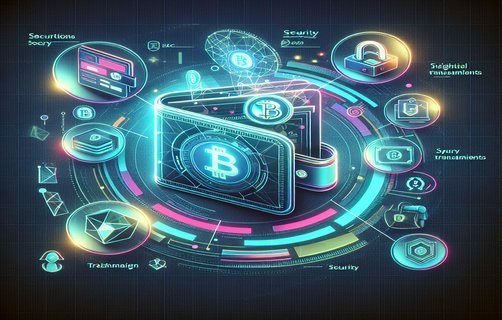
In conclusion, although TPWallet currently grapples with insufficient trading liquidity, a comprehensive approach that addresses issues surrounding digital identity, efficient exchange procedures, real-time analyses, convenient payment methods, heightened security, and advanced technology can chart a promising path forward. By innovating solutions that target these key areas, TPWallet has the opportunity to not only recover but thrive as a leading digital wallet amidst a landscape marked by confidence, efficiency, and robust liquidity.